
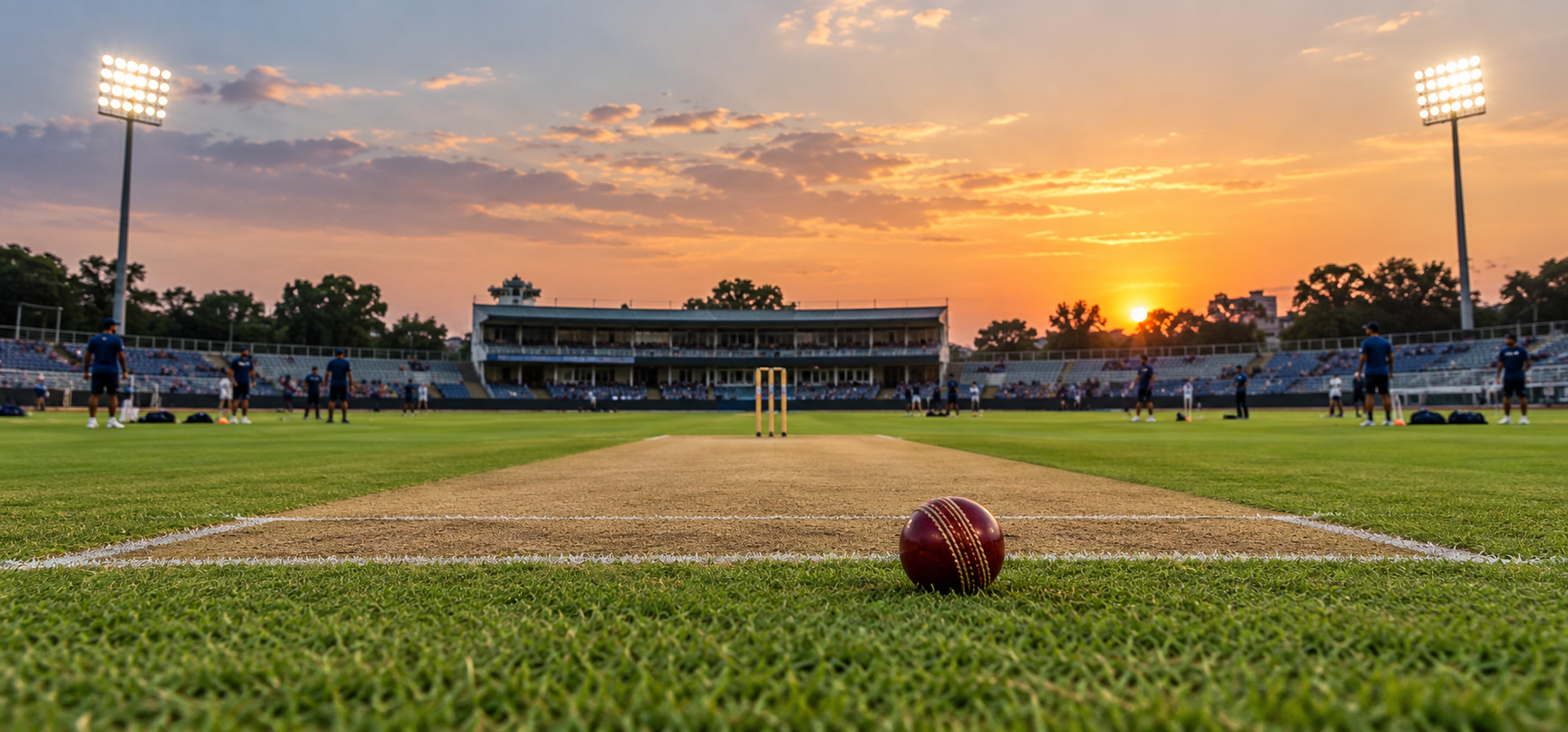
Choosing the right cricket ground can make a noticeable difference to your match-day experience. The playing surface, ground size, lighting, facilities and even the ease of reaching the venue can affect how comfortably your team plays.
Whether you are arranging a weekend game with friends, planning a corporate cricket match or booking a venue for a local tournament, it is worth checking a few important details before confirming your booking. A ground that looks suitable in photographs may not always match your team’s requirements.
This guide explains what to look for when choosing a cricket ground in India, including pitch quality, facilities, location, booking terms and practical details that are often overlooked.
1. Start With the Type of Match You Are Planning
The best ground depends on the format and purpose of your match. A venue suitable for a casual six-a-side game may not be suitable for a full-day tournament or a competitive league fixture.
Before searching for a ground, decide what kind of match you are organising. You may be looking for an outdoor cricket ground, a turf cricket venue, an indoor cricket net, a box cricket arena or a full-size cricket stadium.
- Box cricket is useful for short games and smaller groups.
- Turf grounds are suitable for casual matches, practice sessions and local tournaments.
- Full-size grounds are better for longer matches and larger events.
- Indoor venues are useful when weather conditions are unpredictable.
- Cricket academies and nets are ideal for coaching and skill development.
Knowing the format first will help you avoid paying for a venue that is either too large for your group or too small for the match you want to organise.
2. Check the Playing Surface Carefully

The pitch is one of the most important parts of any cricket ground. A poorly maintained surface can make the game uncomfortable and may increase the risk of injury.
Ask the ground owner or venue manager what type of pitch is available. Common options include natural turf, artificial turf, matting and concrete surfaces. Each surface offers a different playing experience.
A natural turf pitch may provide a more traditional cricket experience, but it usually requires regular maintenance and may not be available after heavy rain. Artificial turf is often easier to maintain and can be suitable for regular recreational matches. Matting pitches are commonly used for practice games and short-format cricket.
When inspecting the venue, look for uneven areas, loose patches, exposed stones, damaged turf and standing water. You should also ask whether the pitch is prepared before every booking or whether it is shared between multiple groups throughout the day.
3. Consider the Size of the Ground
Ground size should match the format of your match. A compact venue may work well for box cricket or a short game, but it may not provide enough space for a proper tournament.
Ask about the approximate boundary distance and whether the ground has enough room for fielders. If you are organising a competitive match, check whether there is enough space behind the wickets and along the boundary line.
It is also useful to confirm whether the venue allows boundary ropes, scoring equipment, temporary seating or tournament branding. These small details can become important when organising a larger event.
4. Look at the Wickets, Nets and Equipment
A good cricket venue should have basic equipment that is in usable condition. Depending on the type of ground, this may include wickets, stumps, nets, cricket balls, bats, cones and practice equipment.
Do not assume that equipment is included in the booking price. Some venues provide only the playing surface, while others offer complete match equipment as part of a package.
Before booking, confirm:
- Whether stumps are provided.
- Whether the venue provides cricket balls.
- Whether bats and protective equipment are available.
- Whether practice nets can be used before the match.
- Whether damaged or worn-out equipment is replaced regularly.
If your team is travelling from another location, hiring equipment at the venue can be more convenient than carrying everything with you.
5. Check Lighting for Evening Matches
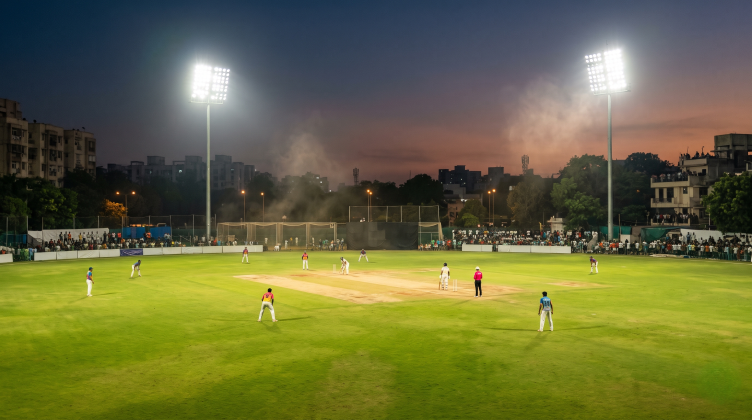
Floodlights are important when you are planning an evening match. Poor lighting can make it difficult for batters and fielders to follow the ball and may affect the safety of the players.
Ask whether the venue has full-ground lighting or only partial lighting. Also check if the floodlights are included in the booking price or charged separately.
The best way to judge lighting is to visit the ground during the same time slot in which your match will be played. Some venues look well-lit during the day but may have dark areas after sunset.
It is also worth asking about power backup. A short power cut can interrupt a match if the venue does not have a generator or alternative power arrangement.
6. Check the Facilities for Players and Spectators
Good facilities can make the match more comfortable for everyone. Even a short game may require clean washrooms, drinking water and a place where players can keep their belongings.
Depending on the size of your event, check whether the venue provides:
- Clean washrooms and changing rooms.
- Drinking water.
- Seating for players and spectators.
- Parking space for cars and two-wheelers.
- First-aid support.
- Changing areas for both teams.
- Food, snacks or refreshment options.
- Wi-Fi or mobile network availability.
If children, families or spectators are attending, seating and washroom facilities become even more important. A venue that is comfortable for spectators can create a much better experience during tournaments and community events.
7. Choose a Convenient Location
A cricket ground may have excellent facilities, but a difficult location can make it inconvenient for your team. Travel time, traffic, parking and public transport should all be considered before confirming the venue.
Compare the distance from the homes or workplaces of most players. If teams are travelling from different parts of the city, choose a location that is reasonably accessible for everyone.
You can also check whether the ground is close to main roads, metro stations, bus stops, restaurants and medical facilities. These details are especially useful when organising a tournament or a match that may last several hours.
8. Understand the Booking Rules
Every cricket ground has its own booking terms. Read or discuss the rules before making a payment so there are no surprises later.
Confirm the following details with the venue:
- Total booking price.
- Duration of the playing slot.
- Extra charges for floodlights or equipment.
- Advance payment and refund policy.
- Rescheduling policy during rain.
- Allowed number of players and spectators.
- Rules regarding outside food and beverages.
- Late arrival and overstay charges.
Some venues consider the booking slot to include setup and clearing time, while others provide the full duration only for playing. Always ask how much actual playing time your team will receive.
9. Read Reviews, But Look for Useful Details
Reviews can help you understand the real experience at a venue, but not every review provides useful information. Look for comments about pitch condition, staff behaviour, cleanliness, booking accuracy and the quality of facilities.
Recent reviews are generally more useful because ground conditions and management can change over time. Pay attention to repeated complaints rather than a single negative comment.
You can also look for photographs and videos uploaded by players. These may give you a better idea of the actual pitch, boundary size, lighting and surrounding facilities than promotional photographs.
10. Confirm Availability and Pricing Directly
Venue pricing can vary depending on the day, time and type of match. Weekend slots and evening bookings are often priced differently from weekday or daytime sessions.
Before travelling to the venue, confirm the latest price and availability directly with the ground owner or venue manager. Ask whether the displayed price includes taxes, equipment, floodlights, staff and cleaning charges.
Also confirm the exact booking date and time in writing. A message, email or booking receipt can help avoid confusion if there is a disagreement later.
11. Think About Safety and Ground Maintenance
Safety should be a priority when choosing a cricket ground. Look for boundary fencing, secure netting, safe access points and a playing surface without dangerous objects.
Ask whether the venue has first-aid supplies and whether staff are available during the booking. For tournaments or corporate events, you may also want to arrange a qualified first-aid person or medical support separately.
Check whether the venue has proper drainage. A ground with poor drainage may remain unusable long after a short spell of rain. This is particularly important during the monsoon season.
12. Use a Simple Ground-Selection Checklist

Before finalising your booking, use this quick checklist:
- The pitch is suitable for your match format.
- The playing surface is even and well maintained.
- The ground size is suitable for the number of players.
- Wickets, balls and other equipment are available or arranged.
- Floodlights are sufficient for evening matches.
- Washrooms and drinking water are available.
- Parking and travel access are convenient.
- The booking price and inclusions are clear.
- The cancellation and rain policy is understood.
- The venue has positive and recent player reviews.
- The booking date and time are confirmed in writing.
Conclusion
The right cricket ground is not always the biggest or the most expensive venue. It is the ground that matches your playing format, budget, location and practical requirements.
Take time to compare the pitch, facilities, lighting, booking rules and reviews before confirming your match. A little research can prevent last-minute problems and help your team enjoy a smoother match-day experience.
Whether you are searching for a turf cricket ground, box cricket arena, cricket academy or full-size venue, CricketGround can help you discover cricket grounds across India and compare your options more easily.